
Crate Training in Anaheim
Looking for the best crate training in Anaheim, CA? Here’s what you get with Pawcific Dog Academy.
- A dog that happily goes into its crate
- Quieter nights for the whole house
- A safe, calm space your dog can call its own
- Lifetime support and guidance
Click the button below and fill out a quick form to get started with a free consultation ↓
Check Out Our Reviews
Crate Issues We Solve in Orange County
Most crate problems come from how the crate was introduced.
Quiet Nights and Easy Mornings
Bedtime is simple now. Your dog heads into the crate, curls up and sleeps through the night while the whole family gets some rest.
Weekend trips to the beach or the mountains start with your dog hopping into its travel crate.
Why Anaheim Families Trust Our Crate Training
Few trainers in Orange County focus on crate training at all. Our fear-free certified team does it every week, for puppies, adult dogs and rescues.
How We Crate Train Your Dog
We pick the right crate size and spot, then make the crate rewarding with treats, meals and calm time before gradually closing the door for longer.
Train in your own home or have crate time built into daily board and train.
Starting Crate Training at Any Age
Puppies can begin around eight weeks, the week they come home. Adult dogs and rescues can learn with a slower start.
Crate training also speeds up house training, since dogs avoid soiling their resting spot.
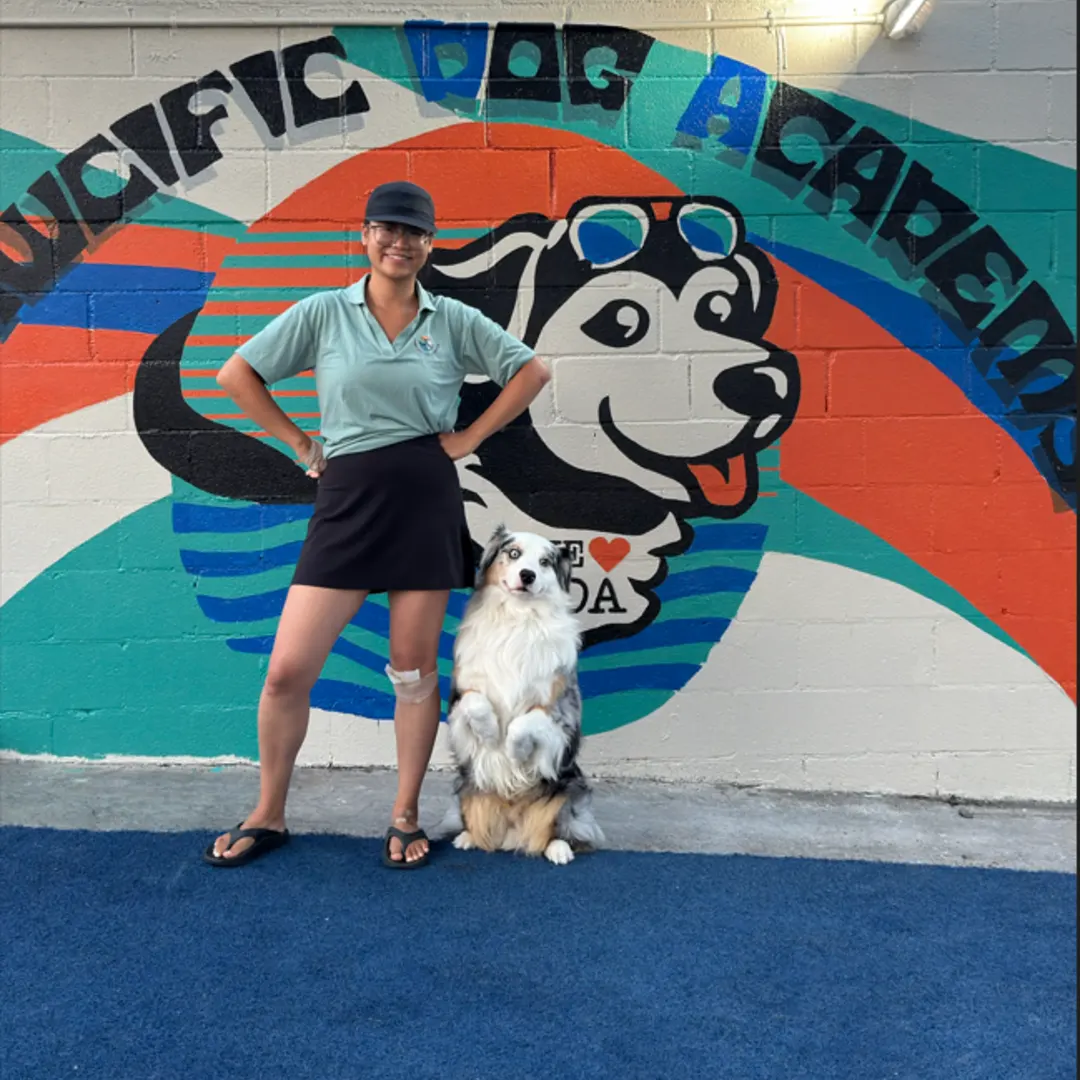
Positive and Pressure-Free
We never push a dog into the crate or use it as punishment. Rewards and patience do the work.
We’ll also help you plan when your dog can graduate to more freedom outside the crate.
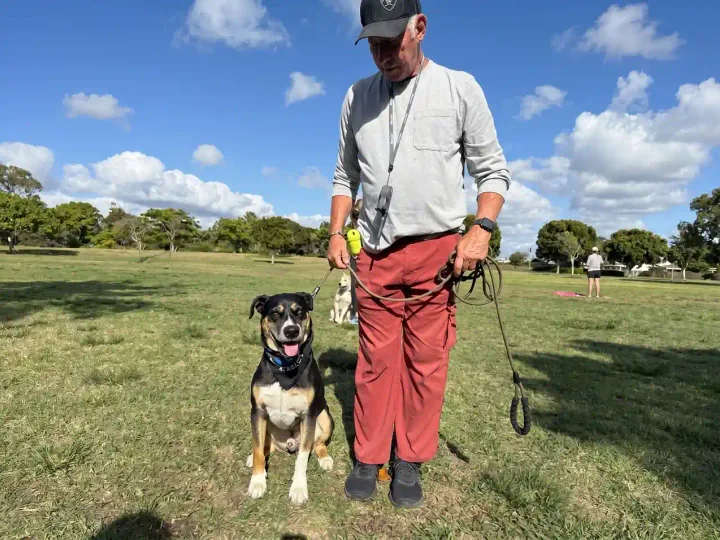
Crate Training in Four Stages
Steady steps toward a relaxed dog.
Free consultation
We check your dog’s age, history and crate setup.
Crate introduction
Rewards and meals make the crate inviting.
Longer rest periods
Building calm time with the door closed.
Freedom plan
Knowing when to give your dog more space.
Crate Training Includes
Everything for a calm crate routine.
- Crate size and placement guidance
- A sample daily crate schedule
- Night routine help
- Written homework
- Lifetime support

Our Crate Training Promise to Anaheim
We stay with you until the crate feels like home.
Lifetime Support
Trouble after a move or a new pet? We’re here for the life of your dog for free.
Guaranteed Results
Keep up the routine and you’ll see your dog relax. If not, we continue training with you.
Why Crate Training Is Worth It
What a crate does for your dog, where most people go wrong, and how to turn it into a spot your dog chooses.
A Safe Den, Not a Cage
Dogs naturally look for small, sheltered places to rest. A kennel set up the right way becomes that place, a quiet retreat during busy days, visitors or fireworks.
Placement matters too. A crate in a quiet corner of a room where the family spends time feels safer than one shut away in a garage or laundry room.
Why It Matters Beyond Bedtime
Crate comfort helps with bladder control, keeps puppies away from cords and furniture they’d otherwise chew, and makes car trips safer. It also prepares your dog for vet stays, grooming and emergency evacuations, which are common reasons dogs must be crated.
A dog that already loves its crate handles a hospital stay or an evacuation far better than one meeting a crate for the first time under stress.
The Mistakes That Create Crate Haters
Shutting the door on day one, using the crate as a time-out, and letting a whining dog out the moment it fusses are the usual culprits. Each one teaches your dog that the crate is something to escape.
Leaving a dog crated for too long is another common problem. A crate is a resting place, not a substitute for exercise, play and attention.
Building a Positive Association
Crate games make it fun, like tossing treats inside, feeding meals there and rewarding calm moments with the door open. Short closed-door periods come next, while you stay nearby, before you ever leave the room.
Patience is what makes it stick. Moving to longer periods only once your dog is relaxed keeps setbacks rare.
Seniors, Rescues and Special Cases
Older dogs and rescues with past bad experiences need a slower start, sometimes with a pen or a different crate style first. Pawcific Dog Academy adjusts the pace to your dog, so the crate never turns into a source of stress.
For dogs that panic in any enclosed space, crating may need to wait until underlying anxiety is addressed first.
Choosing the Right Crate
Wire crates offer airflow and visibility, plastic crates feel more den-like and are often required for air travel, and soft crates suit calm dogs on trips. The right one depends on your dog’s size, habits and where you’ll use it.
A divider lets a puppy’s crate grow with it, so it stays snug enough to support house training.
Covering part of a wire crate with a light blanket can also help some dogs relax, as long as air still flows freely.
Crate Training Across Orange County
We crate train dogs in Anaheim, Anaheim Hills, Fullerton, Orange, Santa Ana, Irvine, Huntington Beach and Corona. See the full Anaheim service area.
Frequently Asked Questions
When should I start crate training my puppy?
Around eight weeks, as soon as your puppy comes home.
Is crate training good for my dog?
Yes, when done kindly. It gives your dog a safe den and helps with house training.
What crate size works best?
Big enough for your dog to stand, turn and lie down comfortably, but not so big it can potty in one corner.
How much does crate training cost in Anaheim?
It depends on in-home lessons or board and train. You’ll get an exact price at the free consultation.
How do I stop my dog crying in the crate at night?
A steady bedtime routine and gradual training usually solve it, and your trainer sets it up with you.
When can my dog stop using the crate?
Once your dog is reliably house trained and calm alone, we help you phase in more freedom.
Start Crate Training in Anaheim
Book a free consultation and build a calm crate routine.