
Crate Training in Los Angeles
Looking for the best crate training in Los Angeles, CA? Here’s what you get with Pawcific Dog Academy.
- A dog that happily goes into its crate
- Quieter nights for the whole house
- A safe, calm space your dog can call its own
- Lifetime support and guidance
Click the button below and fill out a quick form to get started with a free consultation ↓

Check Out Our Reviews
Crate Problems We Fix in Los Angeles
Crate trouble is common. It’s also very fixable.
A Calm Crate in a Busy LA Home
Your dog walks into the crate when you say goodnight and sleeps until the alarm goes off. Neighbors through the wall never hear a thing.
If you ever need to leave fast, whether for a trip or a wildfire evacuation, your dog loads into its crate without a fuss.

Why LA Families Choose Us for Crate Training
Our fear-free certified trainers crate train dogs in houses, high-rises and studio apartments all over Los Angeles, with setups that fit tight city spaces.

How Crate Training Works With Us
Your dog learns that the crate is where good things happen, through meals, rewards and short calm sessions. Then we stretch the time and distance until your dog rests there on its own.
Train at home with in-home lessons, or make crate time part of daily life at our training facility with board and train.
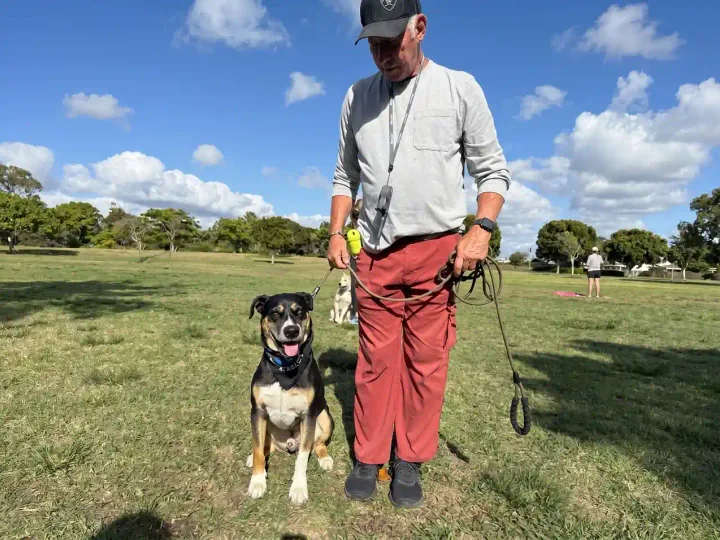
Puppies, Adults and Rescues
Puppies can start the week they come home, and older dogs and rescues can learn too with a slower introduction.
If your dog panics rather than protests, we’ll check whether separation anxiety is the real issue.
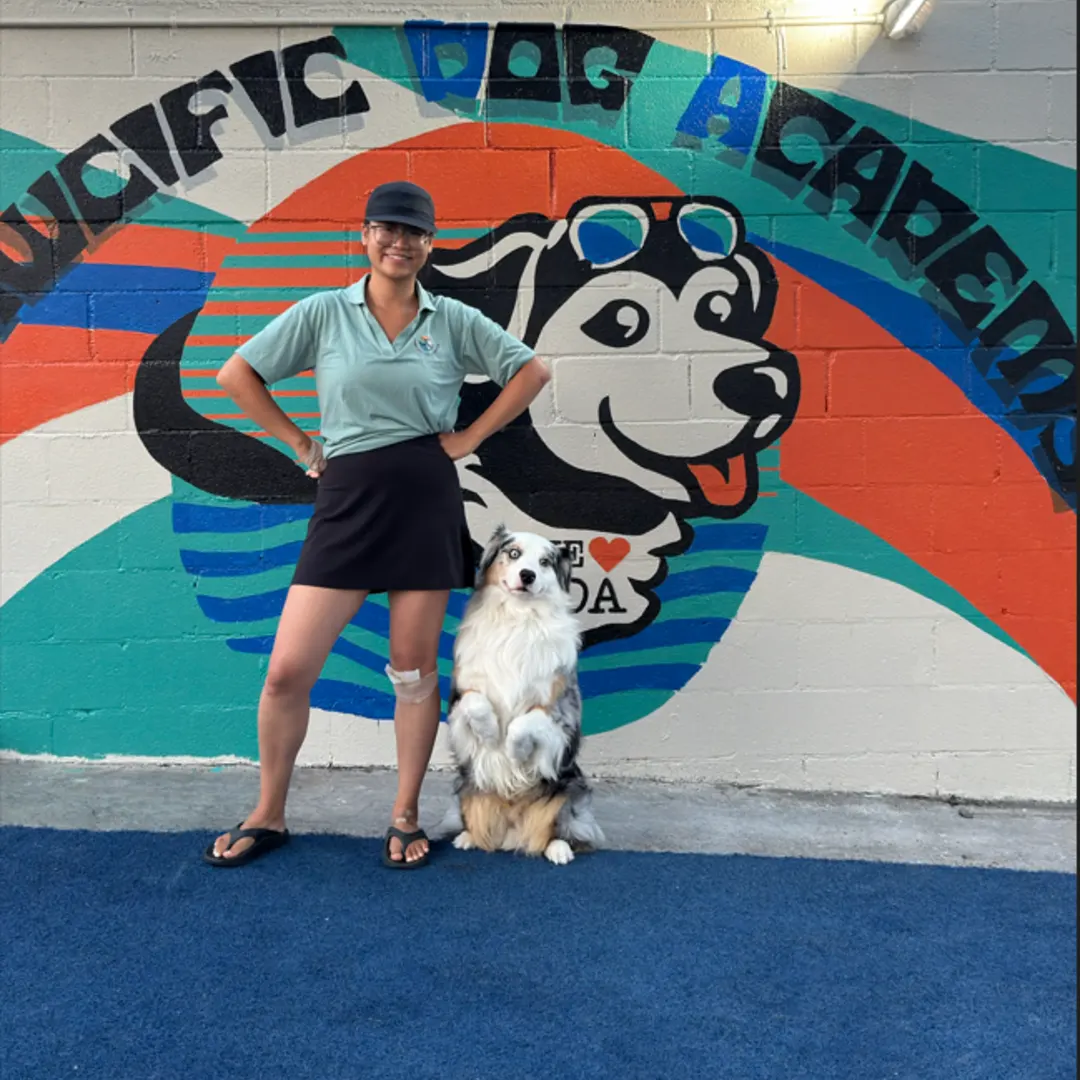
Kind, Step-by-Step Crate Training
No forcing and no using the crate as punishment. Small, rewarded steps make the crate a safe place.
We follow the 2:1 guideline of active time to crate time so your dog gets plenty of exercise and attention.

How Your Dog Learns to Love the Crate
Short, positive steps that add up fast.
Free consultation
We look at your dog’s age, history and home setup.
Positive introduction
Treats, meals and toys inside the crate.
Building duration
Longer rests with the door closed and you out of sight.
Real-life crate use
Bedtime, travel and visitors, all calm.
What Crate Training Includes
A crate routine that fits your home and your schedule.
- Crate type and placement advice
- A daily crate schedule
- A bedtime routine plan
- Written homework
- Lifetime support if issues return

Our Promise for Crate Training in LA
We help until the crate is a calm, happy spot.
Lifetime Support
Problems after a move or a new pet? We’re here for the life of your dog at no extra charge.
Guaranteed Results
Follow the routine and practice daily, and your dog will settle. If not, we keep training with you.
Why Crate Training Matters for Your Dog
Why a crate helps, the problems owners run into, and how to solve each one.
Why a Crate Helps Instead of Hurts
Dogs naturally look for a small, covered space to rest. A crate or kennel gives them that den, keeps puppies away from cords and trash when you can’t watch and helps with house training, because most dogs won’t soil the place they sleep.
A crate-trained dog also handles vet stays, grooming and hotel trips with far less stress.
Picking the Right Size and Type
Your dog should be able to stand, turn around and lie down stretched out, with little extra room. A crate that’s too big leaves space for a bathroom corner.
Wire crates with a divider grow with a puppy, while covered plastic kennels feel cozier to some dogs and work for travel. Soft crates are fine for calm adults but easy for a determined chewer to escape.
Problem One, Crying Overnight
Put the crate near your bed for the first nights so your puppy can hear and smell you. Take one last potty break right before lights out.
If whining starts after hours of quiet, a short, boring trip outside and straight back in tells you whether it was a real need. Whining right after the door closes usually fades if you stay calm and wait for a quiet moment to respond.
Problem Two, Accidents in the Crate
Accidents usually mean the crate is too large, the time inside is longer than your dog’s bladder can manage or puppy pads were placed inside. Shrink the space, shorten the stretch and keep pads out of the crate so it stays a sleeping area only.
Problem Three, Rushing the Process
Shutting the door for hours on day one teaches a dog that the crate means being trapped. Build it through repetition instead. Feed meals inside, toss treats in, close the door for a few seconds and lengthen the time only while your dog stays relaxed.
Problem Four, Chewing and Escaping
Dogs that chew the bars or force the door are often bored or under-exercised. A good walk and a long-lasting chew before crate time help a lot. If the panic looks extreme, with drooling or injuries, stop and let a trainer assess your dog first.
How Long Is Too Long in a Crate?
Adult dogs can rest in a crate overnight once they’re comfortable, but daytime stretches should be much shorter and broken up with walks, play and company. A puppy’s limit is set by bladder control, so plan breaks around its age rather than your workday.
Make the Crate the Best Spot in the House
Save a special chew or stuffed toy that only appears in the crate. Put a soft bed inside, cover part of it with a blanket and keep it in a spot where the family hangs out, so it never feels like exile.
Teach a Calm Exit Too
Crate manners include waiting. Ask for a short stay before you open the door and release your dog with a cue once it’s calm. That small habit prevents door bolting and carries over to the front door and the car.
Crate Training All Over Los Angeles
In-home lessons cover West Hollywood, Silver Lake, Santa Monica, Pasadena, Burbank, Torrance and nearby neighborhoods. See the full Los Angeles service area.
Frequently Asked Questions
How old should a puppy be to start crate training?
Around eight weeks, the week your puppy comes home. Older dogs can start any time.
Is crate training good for dogs?
Yes, when done kindly. It supports house training, keeps dogs safe and gives them a quiet den.
What is the 2:1 rule for crate training?
A common guideline of about two hours of active time for every hour in the crate, so your dog isn’t crated too much.
What does crate training cost in Los Angeles?
Pricing varies between in-home lessons and board and train. We quote an exact price at your consultation.
How do I stop my puppy crying in the crate at night?
A consistent bedtime routine, the right crate spot and gradual training usually solve it. We’ll build that routine with you.
Why does crate training matter in Los Angeles?
Beyond house training, a crate-trained dog is easier to travel with and evacuate safely in an emergency like a wildfire.
Start Crate Training in Los Angeles
Book a free consultation and get a crate routine that works.