Reactive Dog Training in Los Angeles
Looking for the best reactive dog training in Los Angeles, CA? Here’s what you get with Pawcific Dog Academy.
- A calm dog and stress-free walks
- No more barking and lunging
- The freedom to take your dog anywhere
- Lifetime support and guidance
Click the button below and fill out a quick form to get started with a free consultation ↓
Check Out Our Reviews
Reactivity Problems We Fix in LA
City life is full of triggers. We teach your dog to handle them.
Walks Before and After Reactivity Training
This is how walks change for Los Angeles dogs we train.
Before training
- You map routes to avoid other dogs
- Every scooter sets your dog off
- Walks happen only at odd hours
- Your hands hurt from gripping the leash
- You skip outdoor cafes and trails
After training
- You walk the route you actually want
- Scooters roll by without a reaction
- Walks fit your normal schedule
- A loose leash and a relaxed dog
- Trails and patios are back on the calendar
Why LA Owners Bring Their Reactive Dogs to Us
Reactivity is one of our core specialties. Our Los Angeles trainers know the triggers of city living, from apartment hallways to crowded sidewalks, and train right in the middle of them.
How Reactive Dog Training Works in LA
We teach focus and calm behaviors far away from triggers first, then move closer as your dog stays relaxed. Your dog’s feelings about dogs, people and traffic change step by step.
Pick private in-home training, board and train or our Reactive Rover small-group class.
Reactive Dogs We Work With
Leash-reactive dogs, fearful dogs that bark to make things go away and frustrated greeters who scream to say hello.
It’s never too late to start, and adult dogs can make big progress with the right plan.
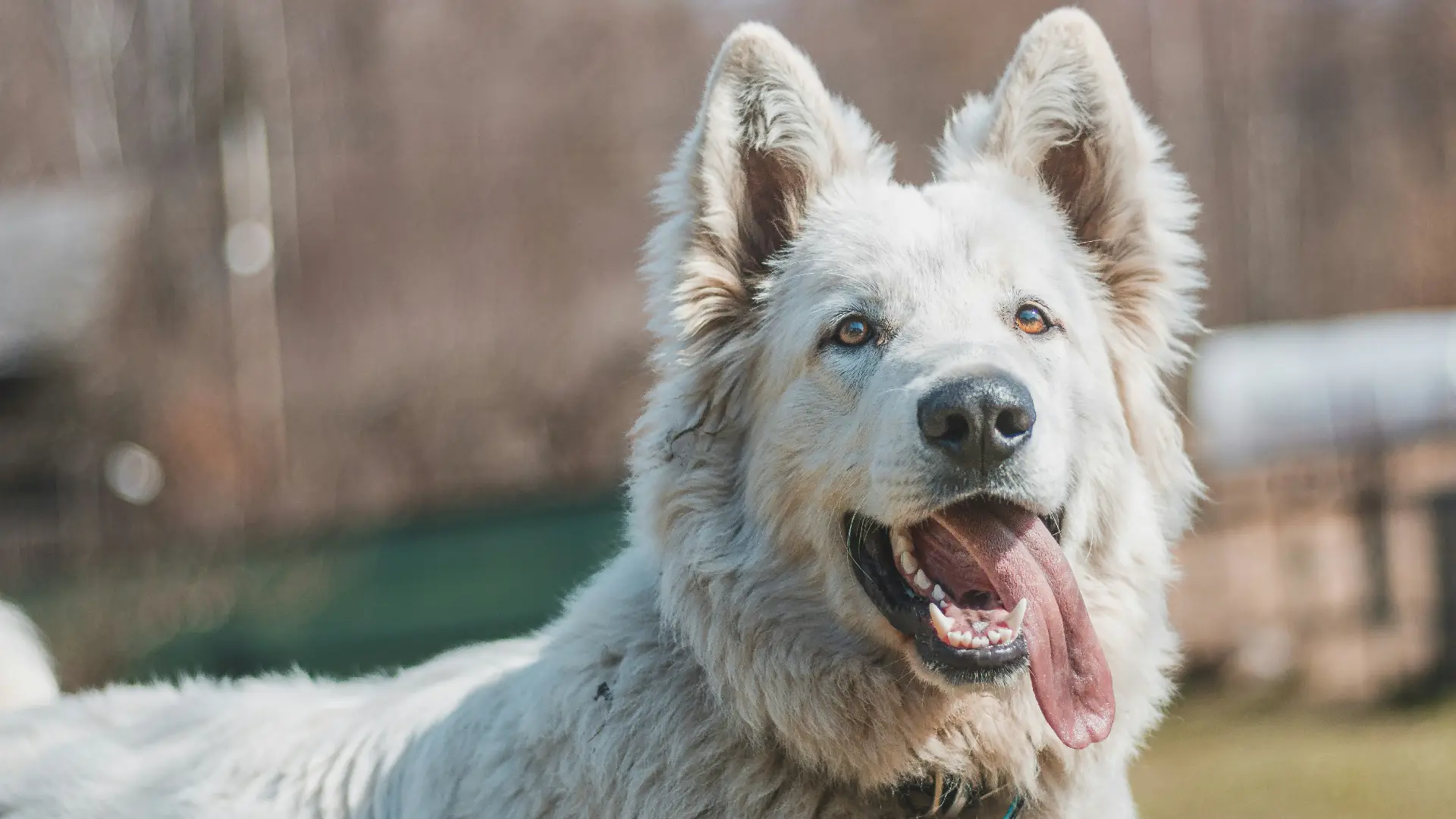
Gentle Training That Changes Emotions
Rewards and distance help your dog feel safe around triggers, so the reaction fades instead of being suppressed. We don’t use harsh corrections.
We also check with your vet if pain might be behind sudden reactivity.
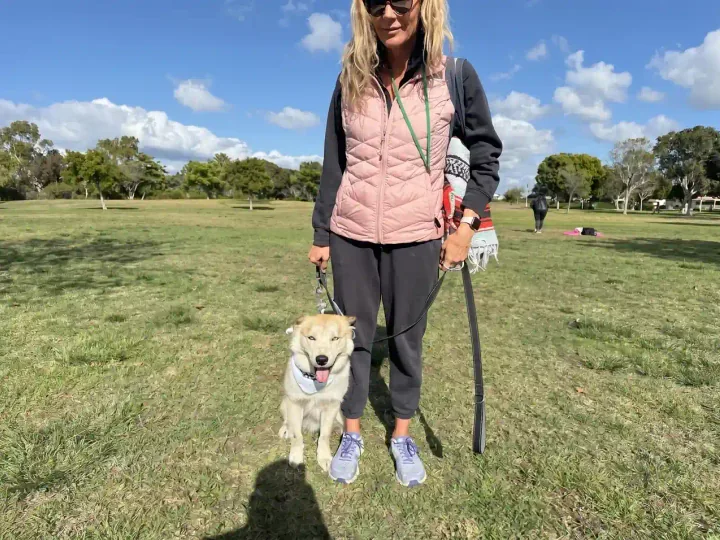
Your Reactive Dog Roadmap
Clear stages that build calm, confident walks.
Free consultation
We observe your dog and choose the right format.
Calm skills
Focus, heel and settle practiced away from triggers.
City exposure
Sidewalks, parks and busier streets as your dog improves.
Group practice
Reactive Rover or managed walks with calm dogs.
What Comes With Reactive Dog Training
Tools and support for calmer walks.
- A reactivity assessment
- A custom training plan
- Private, board and train or Reactive Rover options
- Practice on real LA streets
- Lifetime support for new triggers
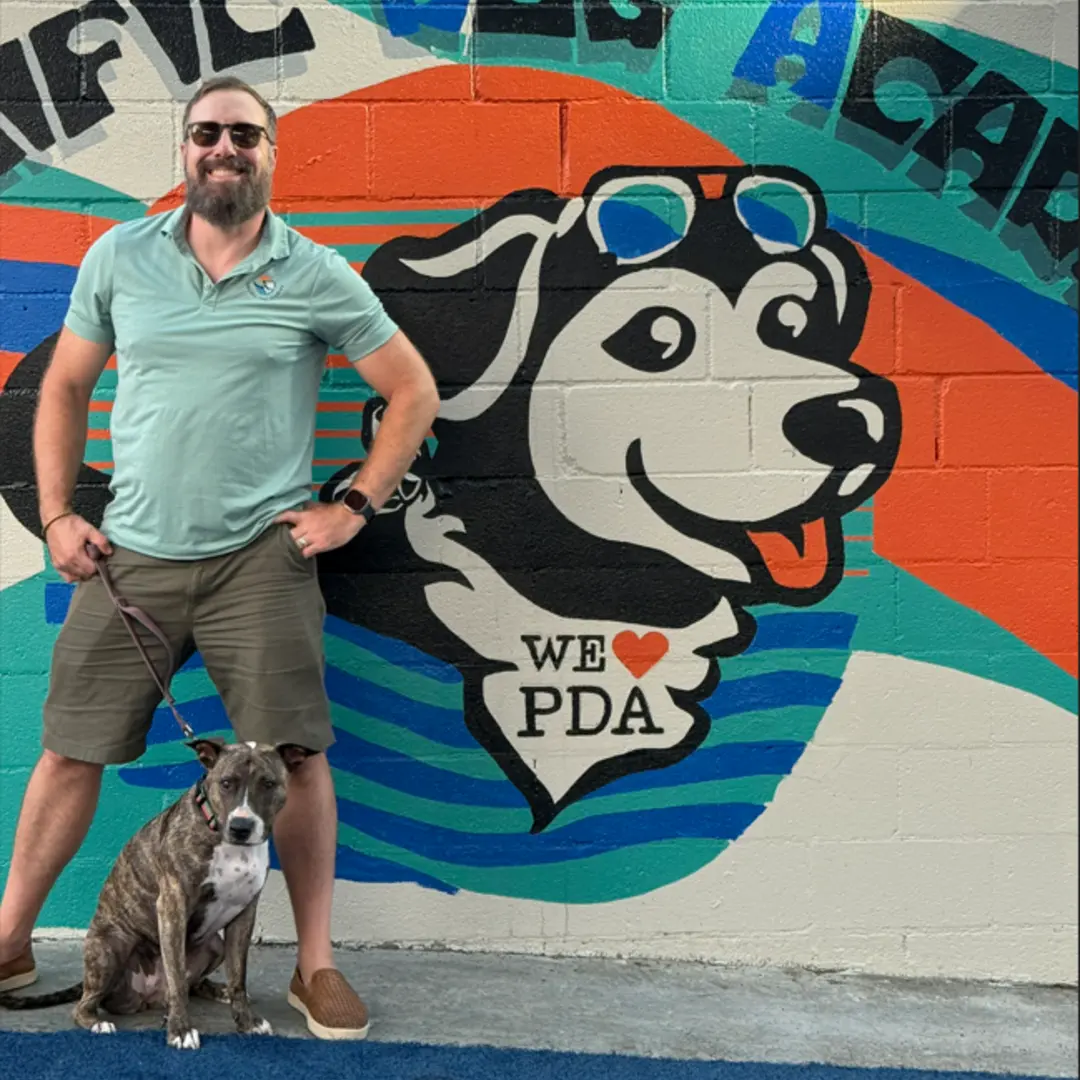
Our Promise to Reactive Dog Owners in LA
We stay with you through every stage of reactivity training.
Lifetime Support
A move or a new trigger shows up? Reach us for the life of your dog at no cost.
Guaranteed Results
Stick with the program and you’ll see calmer walks. If you don’t, our trainers keep going with you.
How Reactivity Works and Why It Improves
The science behind leash reactivity in plain words, plus the mistakes that make it worse.
What Reactivity Really Is
A reactive dog overreacts to something specific, like another dog, a bike or a person in a hood. Barking, lunging and spinning on the leash are a stress response, driven by fear, frustration or overexcitement. It’s a behavior problem, not a personality flaw, and it responds well to training.
Why the Leash Makes It Worse
Many dogs that react on leash are fine off leash at a friend’s house. A leash takes away the option to move away or approach naturally, so a nervous or frustrated dog feels trapped. That’s why the same dog can look like two different animals.
Finding Your Dog’s Reaction Point
Every reactive dog has a distance where it can notice a trigger and stay calm. Closer than that, the thinking brain switches off. Training starts just outside that threshold, because a dog can’t learn anything while it’s already exploding.
As your dog improves, that comfortable distance shrinks on its own.
How Desensitization and Counterconditioning Help
Desensitization means meeting the trigger at a low intensity your dog can handle. Counterconditioning pairs each sighting with great treats, so a passing dog starts to predict chicken instead of danger. Repeated often enough, your dog’s emotional response changes, and the lunge simply isn’t needed anymore.
Mistakes That Make Reactivity Worse
Tension running down the leash warns your dog that trouble is coming. Forcing greetings, visiting crowded dog parks and scolding outbursts all add stress. Punishment may quiet the barking for a moment while the fear underneath grows.
Read Your Dog’s Body Language
Most outbursts give a warning first. A stiff body, closed mouth, hard stare or ears pinned forward usually come a few seconds before the outburst. Catching those early signs lets you move away or reward calm before your dog tips over the edge.
When to Bring in a Professional
If reactions are getting stronger, your dog has redirected onto you or another pet, or walks feel unsafe, it’s time for help. A trainer, and a behaviorist or vet when pain or anxiety is involved, can build a plan before habits harden.
Tools That Make Walks Easier Now
Learn a quick U-turn cue, cross the street early and use parked cars as visual barriers. Carry high-value treats on every walk. These management habits keep your dog under threshold while positive reinforcement training builds lasting calm.
Reactive Dog Training Across Los Angeles
We help reactive dogs in West Hollywood, Silver Lake, Echo Park, Santa Monica, Pasadena, Culver City and Torrance. See the full Los Angeles service area.
Frequently Asked Questions
Can a reactive dog be trained?
Yes. Most reactive dogs improve a lot with consistent training, and many become calm walkers.
Is it too late to train my reactive dog?
No. Adult and senior dogs can learn new responses to triggers.
Should I hire a trainer for a reactive dog?
Yes. A trainer helps you avoid mistakes that make reactivity worse and speeds up progress.
How much does reactive dog training cost in LA?
It depends on the format and your dog’s needs. Group classes cost less than private or board and train. You’ll get exact pricing at the consultation.
What is the difference between reactivity and aggression?
Reactive dogs overreact to triggers, often from fear or frustration, but don’t necessarily want to harm. We assess which applies to your dog.
Is there a group class for reactive dogs?
Yes. Reactive Rover is a small-group class built for leash-reactive dogs.
Get Calmer Walks in Los Angeles
Book a free consultation and start your reactive dog’s training plan.