
Crate Training in San Diego
Looking for the best crate training in San Diego, CA? Here’s what you get with Pawcific Dog Academy.
- A dog that happily goes into its crate
- Quieter nights for the whole house
- A safe, calm space your dog can call its own
- Lifetime support and guidance
Click the button below and fill out a quick form to get started with a free consultation ↓
Check Out Our Reviews
Crate Struggles We Fix in San Diego
A crate should feel like a den, not a jail. We teach your dog to see it that way.
Bedtime After Crate Training
At night you say a quiet goodnight, and your dog trots into its crate, lies down and stays settled until morning. No crying at 2 AM and no one taking turns on the couch.
During the day the crate is a calm spot your dog chooses on its own, ready for car trips, visitors and vet appointments.
Why San Diego Families Trust Us With Crate Training
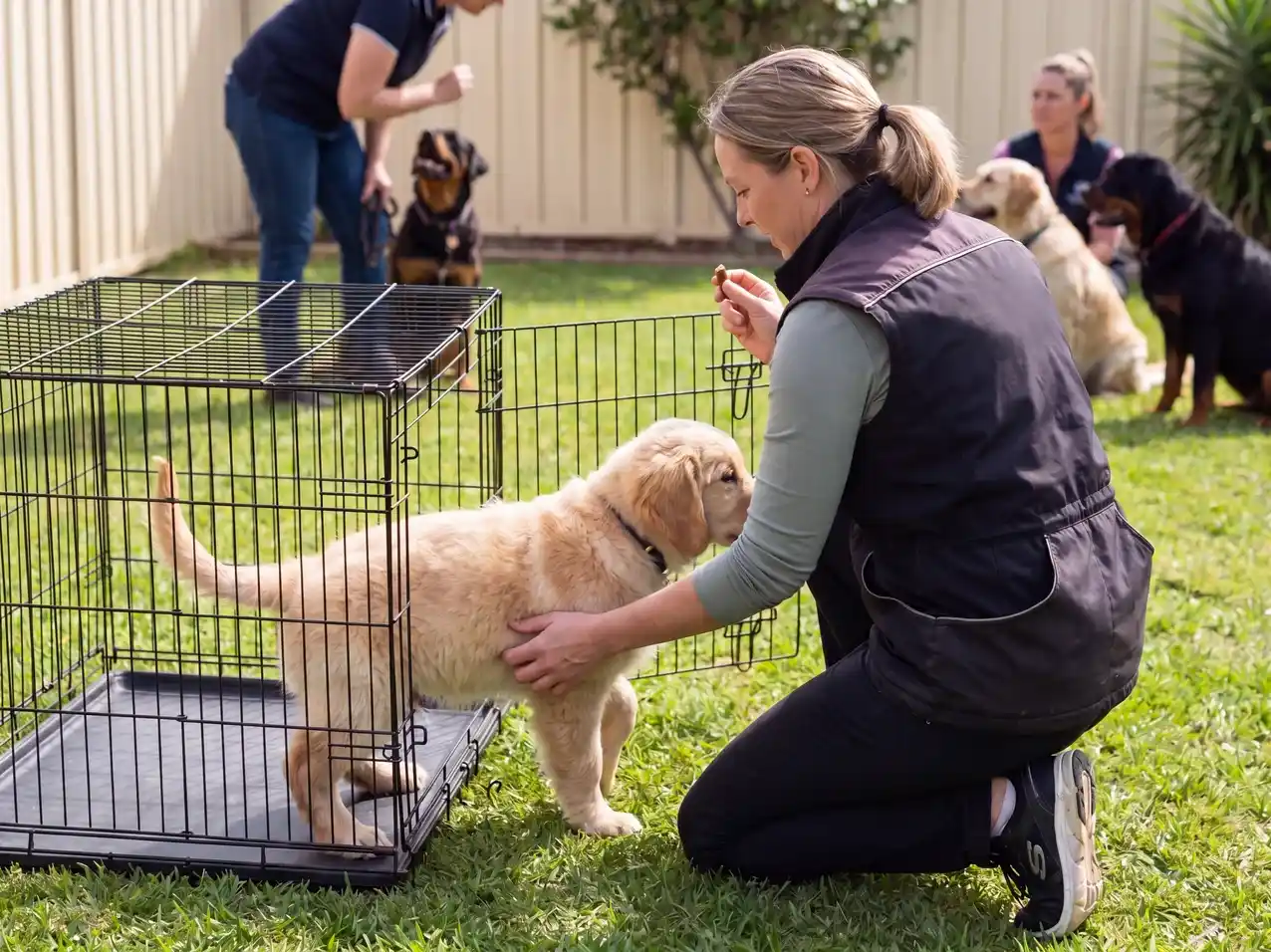
Our fear-free certified trainers crate train puppies, adult dogs and nervous rescues every week. We start in Pacific Beach and work in homes across the county, so we know crate setups for houses, condos and small apartments.
How Our Crate Training Works
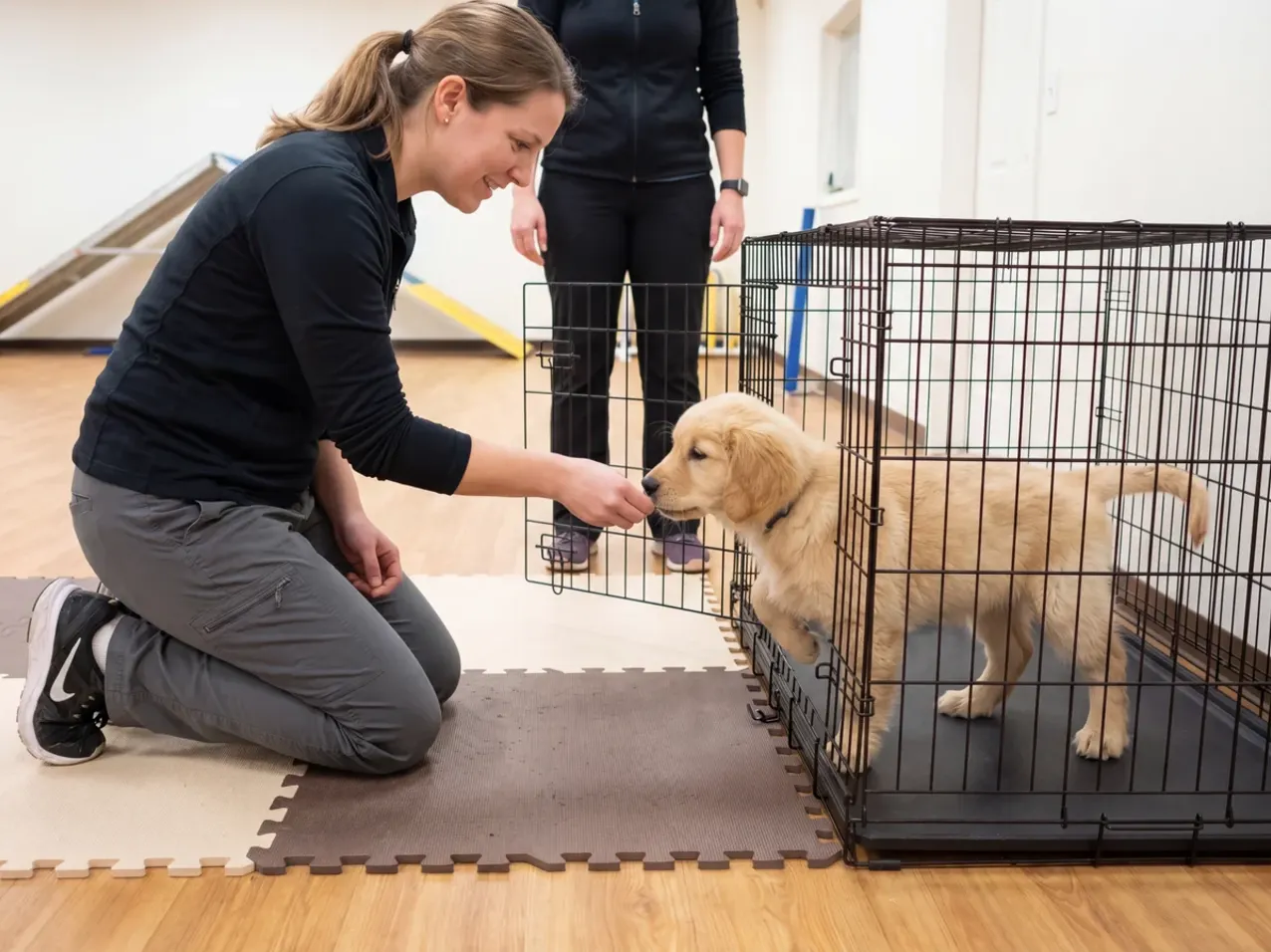
We make the crate a great place first, with short positive sessions, rewards and meals inside. Then the door stays closed for longer, you step out of the room, and your dog learns to rest there calmly.
Choose in-home lessons to train in your own space, or board and train at our Pacific Beach facility where crate time is part of the daily routine.
When to Start Crate Training
Most puppies can start the week they come home, around eight weeks old. Older dogs and rescues can learn too, they just need a slower start.
If your dog truly panics in the crate, that may be separation anxiety, and we’ll help you tell the difference.
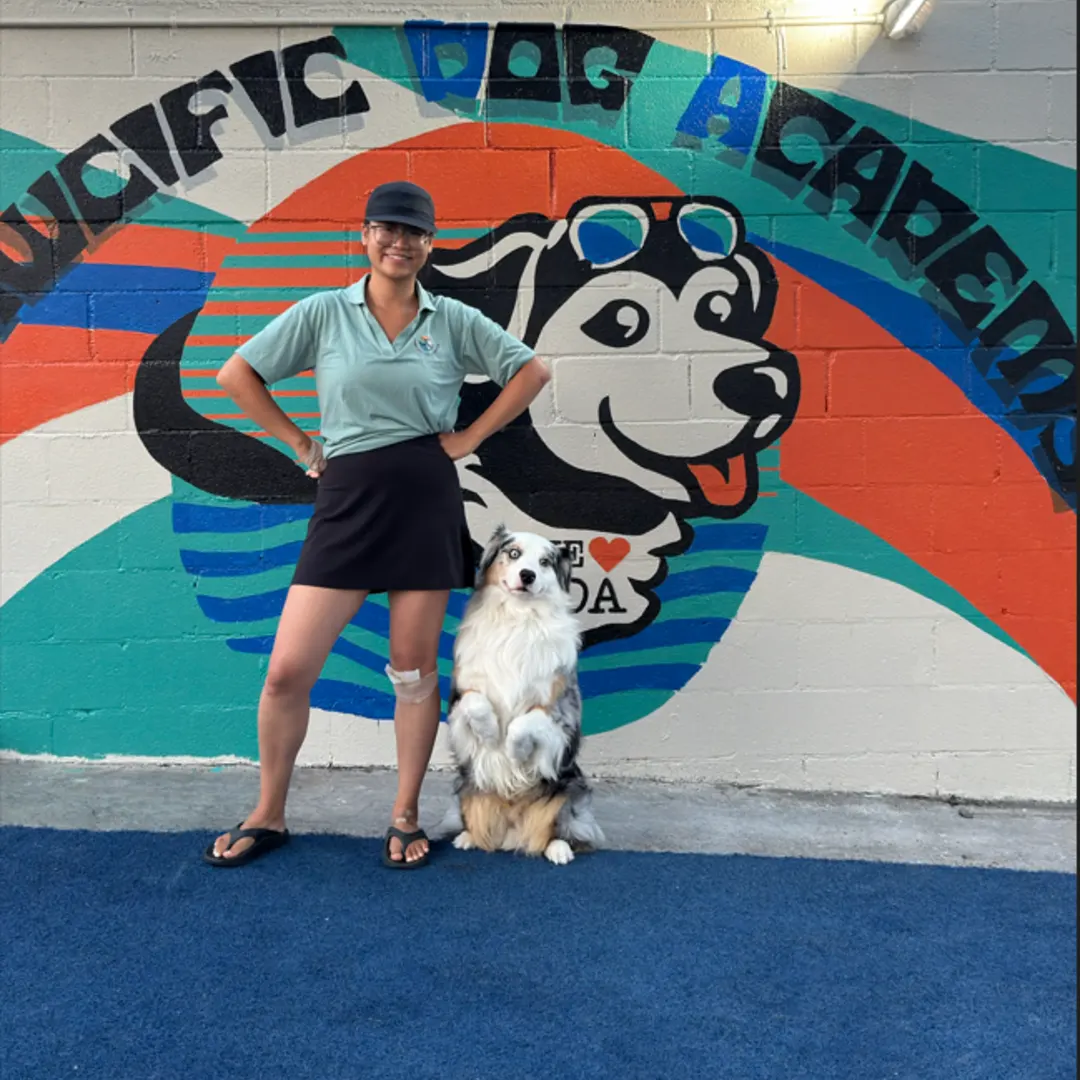
Positive Crate Training That Lasts
We never force a dog into the crate or use it for punishment. Rewards, patience and small steps teach your dog that the crate means rest and safety.
You learn a daily schedule that balances crate time with exercise, play and family time.
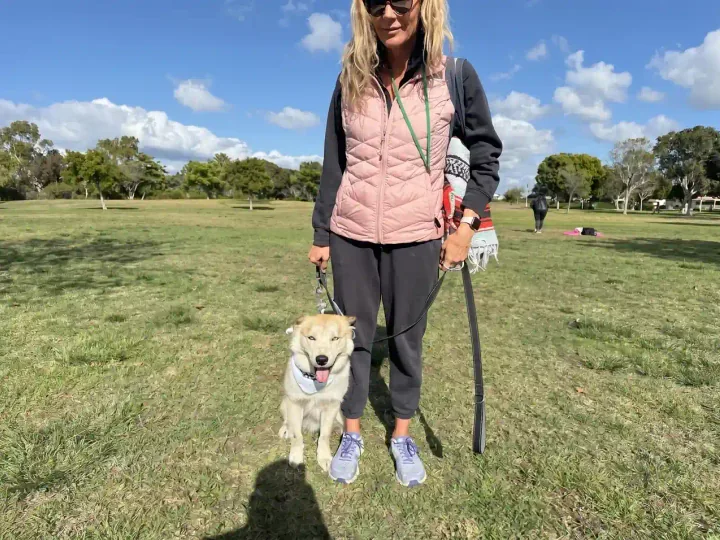
From Crate Refusal to Crate Comfort
Short sessions that build a lasting habit.
Free consultation
We check your dog’s age, history and setup and choose in-home or board and train.
Crate introduction
Treats, meals and toys make the crate a place your dog wants to be.
Longer stays
The door stays closed longer while your dog learns to relax.
Nights and travel
Bedtime routines, car rides and vet visits, all calm.
What’s Included in Crate Training
A calm crate routine for your whole household.
- A crate setup and placement plan
- A daily crate and potty schedule
- Nighttime routine coaching
- Written homework between sessions
- Lifetime support if problems return
Our Crate Training Promise
We help until the crate is a happy place.
Lifetime Support
Crate trouble after a move or a new pet? Reach us any time for the life of your dog, free of charge.
Guaranteed Results
Stick with the routine and do the homework, and you’ll see your dog settle. If not, we keep going with you.
Why Crate Training Matters
A crate is one of the most useful tools you’ll ever give your dog, when it’s introduced the right way.
Safe Confinement When You Need It
There will be times your dog must be confined, like after surgery, during a move or in an emergency evacuation. A dog that already rests happily in a kennel handles those moments with far less stress than one meeting the crate for the first time.
A crate also keeps curious puppies away from cords, shoes and kitchen trash while nobody is watching.
Choosing the Right Crate Size
Your dog should be able to stand, turn around and lie flat. A crate that is too big lets a puppy use one end as a bathroom, so a divider panel helps while it grows.
Wire crates offer airflow and a view, while covered or plastic kennels feel more den-like for dogs that like privacy.
The Most Common Crate Training Mistakes
Opening the door when your dog whines teaches it that noise works. Putting the crate in a far room can make a social dog feel shut out. Long stretches without exercise make any dog restless.
Rushed training is the biggest one. Moving faster than your dog is ready leads to panic and setbacks.
How to Fix a Dog That Hates Its Crate
Go back a few steps. Feed meals near the crate, then just inside it, then with the door briefly closed. Play simple crate games where your dog earns a reward for walking in on its own.
Positive reinforcement turns the crate from something that happens to your dog into something it chooses.
Making the Crate Comfortable
A soft bed, a safe chew and a light cover over the top help many dogs relax. Keep the crate somewhere with gentle household noise, and skip bedding for puppies that shred it until they outgrow the habit.
Where the Crate Fits in Daily Life
A crate works best as one part of a full day that includes walks, play and time with the family. Pawcific Dog Academy helps San Diego owners find that balance so the crate stays a calm retreat and never a place your dog dreads.
Crate Training Adult and Rescue Dogs
An older dog with a bad crate history needs a slower start than a puppy. Begin with the door off or wide open, reward any interest and let your dog set the pace.
If your dog drools, pants hard or tries to break out even with short closed-door practice, the problem may be panic rather than dislike, and that calls for a different plan.
Crate Training for Dogs All Over San Diego
In-home lessons cover La Jolla, Mission Beach, Coronado, Chula Vista, Escondido, Carlsbad and Encinitas, with board and train at our Pacific Beach facility. See the full San Diego service area.
Frequently Asked Questions
What age should you start crate training?
As soon as your puppy comes home, usually around eight weeks. Adult dogs can start any time with a slower introduction.
Do dog trainers recommend crate training?
Most do, including us. Used kindly, a crate helps with house training, keeps dogs safe and gives them a quiet place to rest.
How many hours can a dog be crated?
Puppies under six months shouldn’t be crated for more than three to four hours at a time, and no dog should spend most of the day crated.
What does crate training cost in San Diego?
It depends on whether you choose in-home lessons or board and train. Your trainer gives you an exact price at the free consultation.
Can older dogs and rescues learn to use a crate?
Yes. They often need more time, but most adult dogs learn to relax in a crate.
My dog panics in the crate. What now?
Stop and get help. Real panic can be separation anxiety, which needs its own plan, and we’ll guide you through it.
Start Crate Training in San Diego
Book a free consultation and we’ll make the crate your dog’s favorite spot.